Newly Discovered Active Fault Line Could Threaten New Zealand’s Biggest City
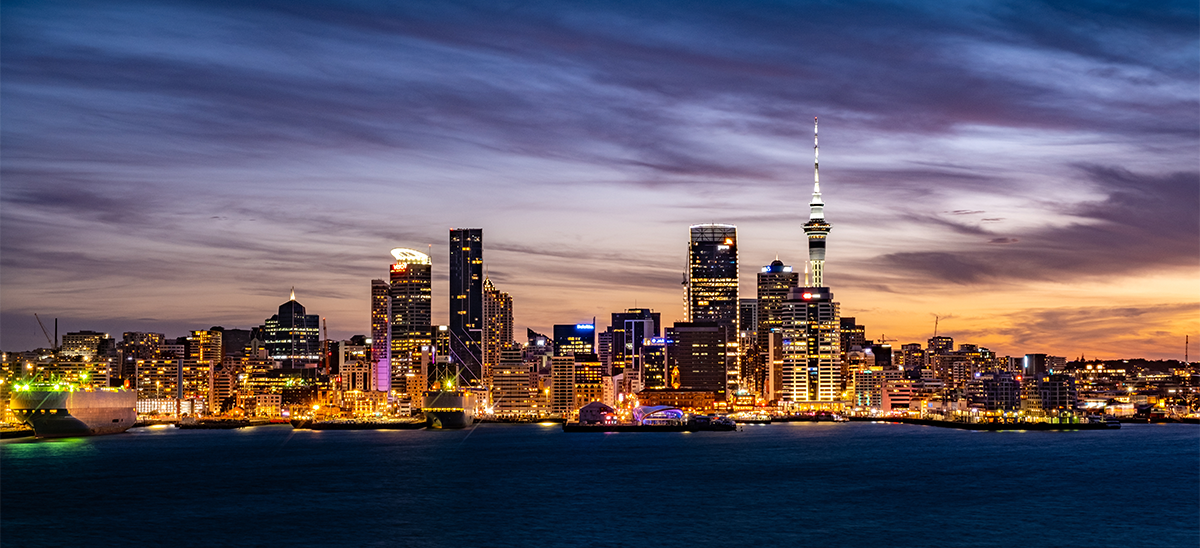
Culturally, New Zealand might be closest to Australia, but geologically it’s an island unto itself. That’s because New Zealand’s two landmasses are actually the highest points of the submerged microcontinent Zelandia, which sits at the junction of the Australian and Pacific plates. With such a precarious tectonic position, the country is no stranger to earthquakes. Now new research published in the New Zealand Journal of Geology and Geophysics has uncovered an active fault line that could threaten its largest city. The Mangatangi Fault, named after a nearby river of the same name, was discovered by geologists from the University of Auckland using a variety of field and remote-sensing techniques. It cuts through the southern part of the Auckland region along the Hunua Ranges, just 30 miles southwest of the city of Auckland. Read more: “The Earthquake Illusion” “If the whole fault ruptured, there would likely be serious consequences for people living in South Auckland, and possibly further into central Auckland as well,” study co-author James Muirhead said in a statement. According to radiocarbon dating, the fault has slipped at least once in the last 10,000 years and could be poised to let loose again. The researchers estimate the Mangatangi Fault is capable of unleashing a 6.8 magnitude earthquake that could recur anywhere between 8,100 and 127,100 years. “This fault may not rupture again for tens of thousands of years,” study co-author Hannah Martin admitted. “However, this is an active fault with the potential to generate a large earthquake in a region that doesn’t expect one.” That, of course, should change now. Enjoying Nautilus? Subscribe to our free newsletter. Lead image: olga46 / Adobe Stock
~1 min read · 274 words