The whistling pack hunter
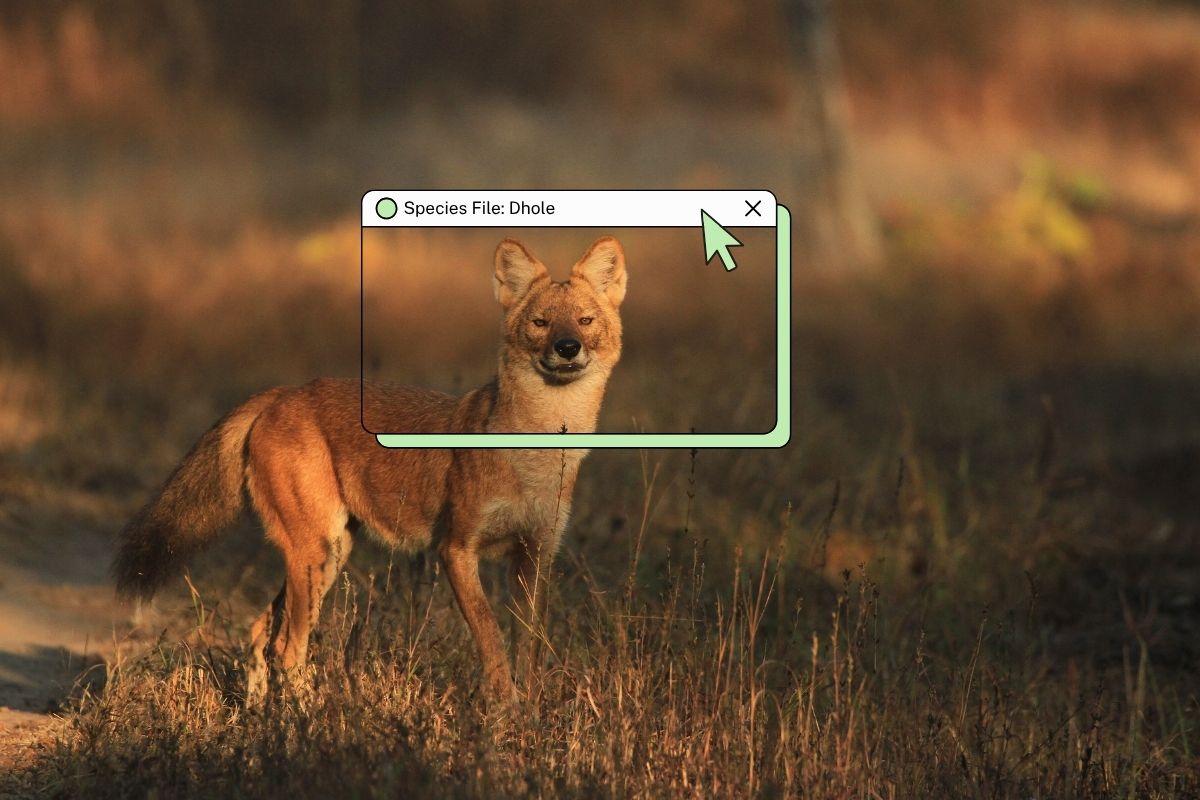
Species File: Exploring India’s biodiversity, one species at a time. Over the last few years, dholes are slowly returning to several landscapes from which they had virtually disappeared — most recently in Debrigarh Wildlife Sanctuary in Odisha. The dhole (Cuon alpinus) is one of India’s most adaptable apex predators — and one of its least known. Also called the Asiatic wild dog, this social canid is recognised by its reddish-brown coat, bushy black-tipped tail, and distinctive high-pitched whistles. Living in packs of two to 24 individuals, it hunts cooperatively, taking down prey such as sambar, chital, and gaur, all several times its own size. Once found in the alpine, temperate, tropical, and subtropical forests across Asia, the dhole, or Asiatic wild dog, has now disappeared from much of its former range. Currently, it is confined to central and eastern Asia, India, Nepal, Bhutan, Bangladesh, China, Myanmar, Indonesia, Thailand and Malaysia. In India, key populations are found in the Western Ghats, Central India and Northeast India, with smaller populations in the Eastern Ghats and the Western Himalayas of Uttarakhand. With only an estimated 4,500-10,500 individuals remaining worldwide, the species is listed as endangered on the IUCN Red List. It is also a Schedule II species in the Indian Wildlife (Protection) Act, 1972, which prohibits hunting or trade. As a predator that requires connected, healthy forested areas, the dhole faces significant pressure from fragmented and shrinking forests, prey depletion, conflict with humans and livestock, and the risk of disease transmission from domestic dogs. In a story that Mongabay-India published in 2019, Arjun Srivathsa, Wildlife Conservation Society-India and the University of Florida, said, “Dholes are among the most threatened yet under-studied species in India and across the world. They are apex predators with fascinating social lives, and quite unique in that they are among the very few carnivores that are both forest-dependent and group-living.” Read more about dholes in our stories on habitat suitability study across Asia, how agroforests support dhole populations in the Western Ghats, and the use of genetic methods to estimate population sizes. Banner image: The dhole (Cuon alpinus) is one of India’s most adaptable apex predators. Image by David V. Raju via Wikimedia Commons (CC BY-SA 4.0).
~2 min read · 368 words